
 0086-13338774804


Zoptymalizuj proces obróbki cieplnej za pomocą najwyższej jakości łopatek wentylatora pieca
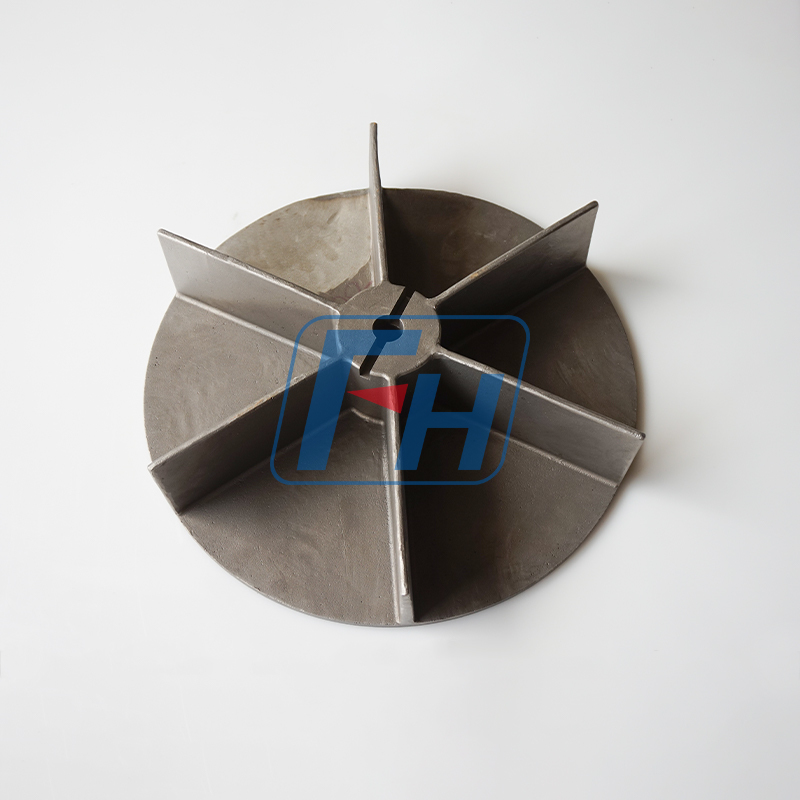
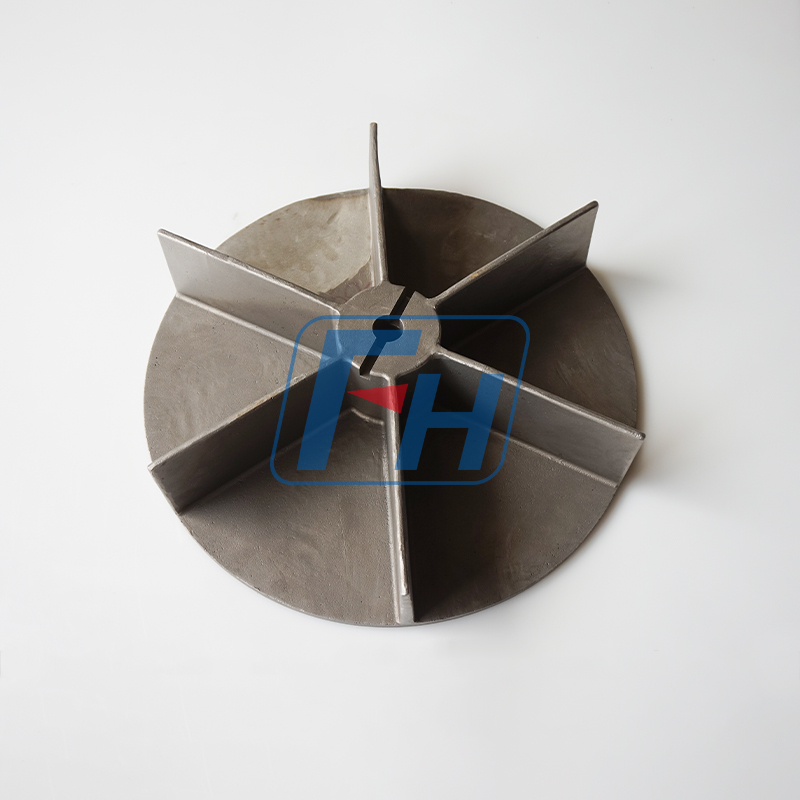
Zapewnij równomierną dystrybucję ciepła i zwiększoną wydajność operacyjną dzięki Precyzyjnie zaprojektowane łopatki wentylatora pieca FH . Zaprojektowane, aby zmaksymalizować przepływ powietrza w piecach przemysłowych i piecach do obróbki cieplnej, nasze łopatki wentylatora eliminują gorące punkty, przyspieszają cykle produkcyjne i zmniejszają koszty energii. FH produkuje łopatki wentylatorów do większości popularnych pieców na rynku, w tym Ipsen, Aichelin, IVA-SCHMETZ, AFC, MATTASA itp.
Dlaczego warto wybrać łopatki wentylatora pieca FH?
Precyzyjne wykonanie, sprawdzona wydajność
Korzystanie z zaawansowanych technologii odlewania metodą traconego wosku produkujemy łopatki wentylatorów o doskonałej integralności powierzchni i precyzji konstrukcyjnej. Zapewnia to optymalną aerodynamikę, minimalne wibracje i dłuższą żywotność – nawet w ekstremalnych warunkach termicznych.
Materiał dostosowany do Twoich unikalnych potrzeb
Nasz zespół inżynierów współpracuje bezpośrednio z Tobą, aby dostosować skład stopu do max. temperatura pracy.
Gwarancja jakości za każdym razem
Rygorystyczne przestrzeganie Procesy posiadające certyfikat ISO 9001 gwarantuje spójność. Każde ostrze przechodzi dynamiczne testy wyważania i skrupulatną kontrolę, aby spełnić dokładne kryteria wydajności i zapewnić płynne działanie,
Globalna wiedza specjalistyczna, lokalne partnerstwo
Jako zaufany lider w dziedzinie komponentów pieców ze stopów, FH zapewnia producentom na całym świecie innowacyjne rozwiązania do obróbki cieplnej i pieców przemysłowych. Nasze zaangażowanie w trwałość, wydajność i doskonałość techniczną napędza gałęzie przemysłu — od motoryzacji po lotnictwo i kosmonautykę.
Podnieś wydajność swojego pieca już dziś!
Niezależnie od tego, czy modernizujesz istniejący sprzęt, czy projektujesz nowy system, łopatki wentylatora FH zostały zaprojektowane tak, aby przewyższać je wydajnością. Skontaktuj się z nami, aby omówić swój projekt, poprosić o niestandardową wycenę lub dowiedzieć się, jak nasze rozwiązania mogą skrócić przestoje i zwiększyć zyski.
Razem zaprojektujmy sukces.

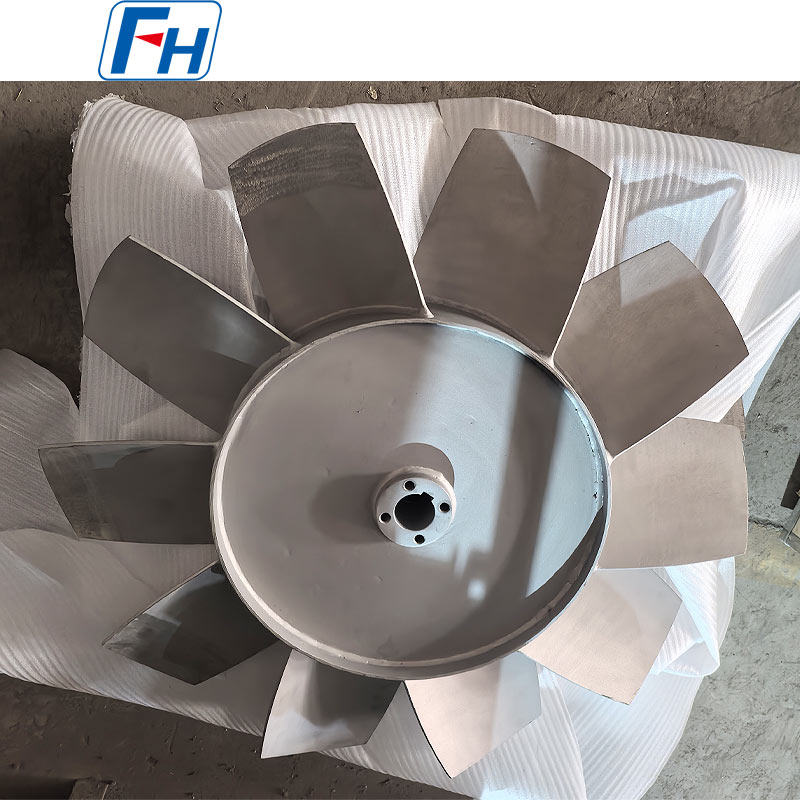
Marka: FH® Certyfikacja: ISO9001, ISO14001 Materiał: ...
Zobacz szczegóły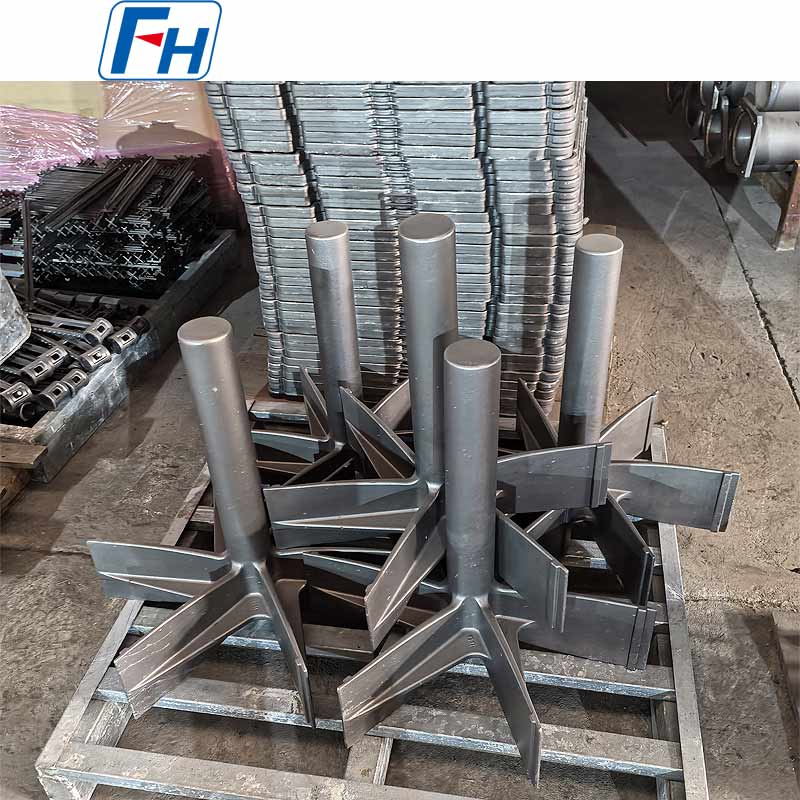
Marka: FH® Certyfikacja: ISO9001, ISO14001 Materiał: ...
Zobacz szczegóły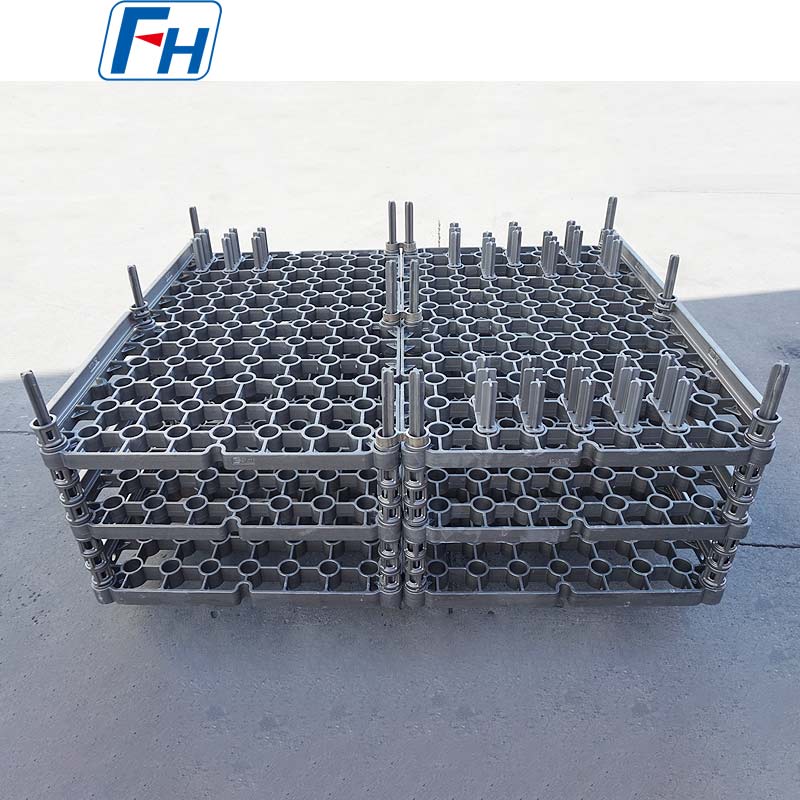
Marka: FH® Certyfikacja: ISO9001, ISO14001 Materiał: ...
Zobacz szczegóły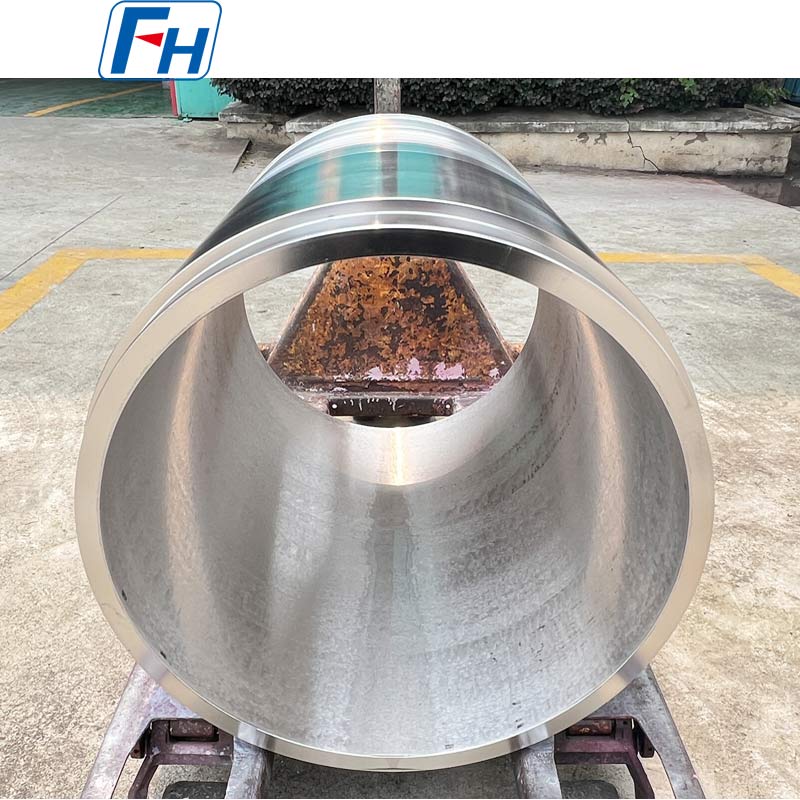
Marka: FH® Certyfikacja: ISO9001, ISO14001 Materiał: ...
Zobacz szczegóły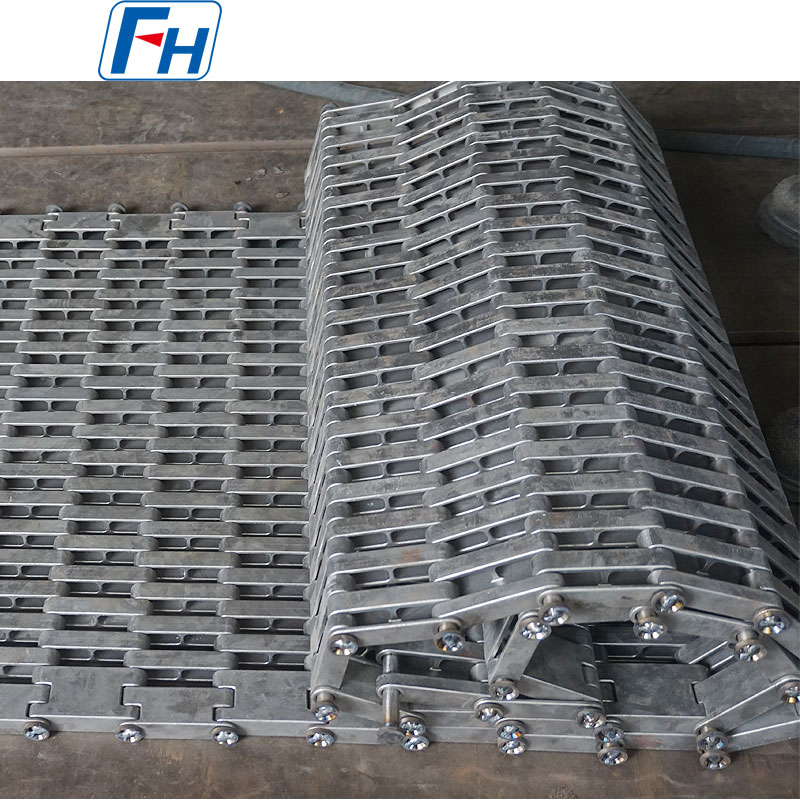
Marka: FH Materiał: Odlew żaroodporny Klasa materiału: 1.4865 HU Rozmi...
Zobacz szczegóły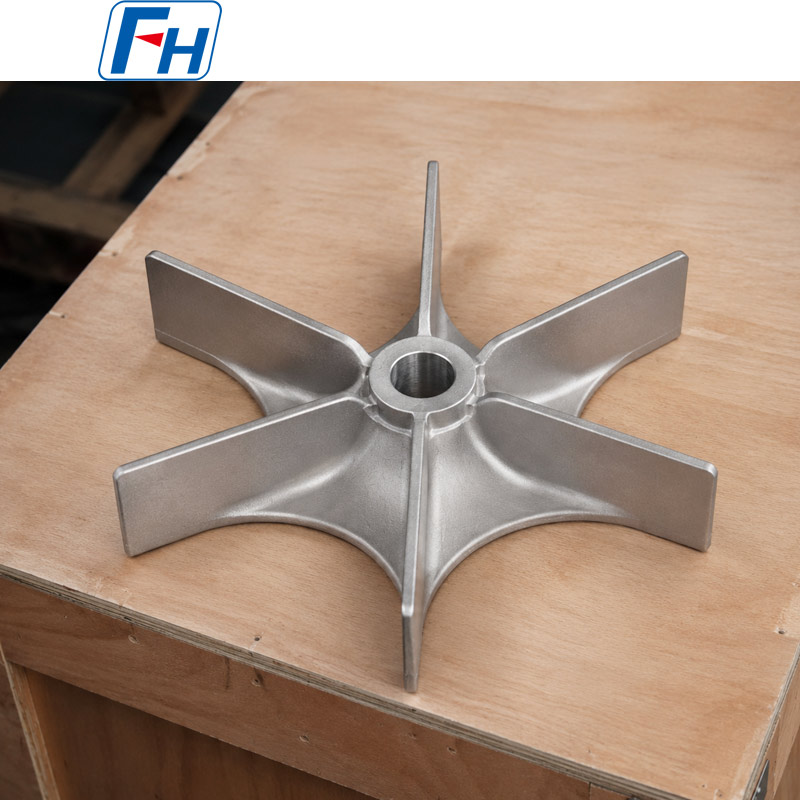
Marka: FH® Certyfikacja: ISO 9001, ISO14001 Materiał: ...
Zobacz szczegóły
Rok założenia
Kraje eksportujące
Miesięczna zdolność produkcyjna
Pracownicy
Niestandardowe odlewane kosze do obróbki cieplnej z tacami siatkowymi i siatką drucianą dla klienta z Włoch Studium przypadku klienta | Wuxi Junteng Fanghu Alloy Tech...
CZYTAJ WIĘCEJNiestandardowy system mocowania tac do ciągłej obróbki cieplnej przekładni pieca przepychającego Studium przypadku klienta | Projekt techniczny, zatwierdzenie rysunku...
CZYTAJ WIĘCEJNiestandardowe tace do obróbki cieplnej w piecu próżniowym 2.4879 dla słoweńskiego klienta Studium przypadku klienta | Przeprojektowanie strukturalne, produkcja i dos...
CZYTAJ WIĘCEJStudium przypadku klienta | Projekt techniczny, produkcja, kontrola i dostawa Lokalizacja klienta: Francja Produkt: Niestandardowy kosz do o...
CZYTAJ WIĘCEJWhat are Furnace fan blades | FH®?
1. Core Definition: Furnace fan blades | FH® are key airflow-guiding components installed inside heat treatment furnaces, responsible for evenly distributing hot or cold air to every corner of the furnace chamber, achieving rapid and uniform temperature distribution.
2. Working Principle: The aerodynamic design of the blades creates a strong and controlled air flow as they rotate, avoiding localized hot or cold spots and thus improving heat treatment quality.
3. Key Features: High-temperature corrosion resistance, high structural strength, and a high surface finish ensure stable operation in extreme environments ranging from hundreds to thousands of degrees Celsius.
4. Company Advantages: Wuxi Junteng Fanghu Alloy Technology Co., Ltd. utilizes lost-wax casting technology to ensure flawless blade surfaces and precise dimensions, meeting stringent aerodynamic and mechanical requirements.
How do Furnace fan blades | FH® impact heating uniformity and cooling efficiency during heat treatment processes?
1. Improving Heating Uniformity
Through precise airflow distribution, the blades quickly eliminate temperature gradients within the furnace chamber, preventing the formation of "hot spots." A uniform heat field ensures uniform heating of the workpiece throughout the entire heat treatment process, significantly reducing deformation and internal stress.
2. Accelerated Thermal Cycle
Efficient airflow facilitates rapid heat transfer, shortening the heating time. Similarly, heat is removed more quickly during the cooling phase, shortening the overall process cycle.
This directly leads to increased production capacity and reduced energy costs.
3. Reduced Energy Consumption
Because of improved heat utilization, the furnace does not need to operate at high power for extended periods, resulting in significant energy savings.
FH blades maintain low resistance even at extreme temperatures, further reducing fan power consumption.
4. Company Technical Support
FH blades undergo dynamic balancing tests to ensure minimal vibration during operation, extending equipment life and reducing maintenance downtime.
What are the main materials used for Wuxi Junteng Fanghu Alloy Technology Co., Ltd.'s Furnace fan blades | FH®?
1. High-temperature alloy steel: High-temperature alloy steel containing elements such as nickel, chromium, and molybdenum offers excellent oxidation and creep resistance, maintaining strength at operating temperatures above 1100°C.
2. Specialty Heat-Resistant Cast Iron: For certain low- and medium-temperature furnace types, we use heat-resistant cast iron containing graphite or silicon carbide to enhance thermal shock resistance.
3. Customized Alloy Formula: FH's engineering team can provide customized alloy formulas based on the customer's maximum operating temperature, corrosive media, and operating environment, achieving the optimal "material-process-performance" combination.
Od 2006 roku koncentrujemy się na projektowaniu i produkcji części ze stali stopowej
 Tel: 0510-83310100
  E-mail: info@alloy-casting.com
  Adres: Room 1105,Building 6, Jiaye Wealth Center,Wuxi, Jiangsu, P.R.China P.C.:214000.
  Prywatność